Vektorkonvertierung, von Hand gezeichnet.
Schicken Sie uns ein JPG, ein PNG, ein PDF oder ein Foto eines gedruckten Schildes. Ein Designer zeichnet es als produktionsgerechte Vektorgrafik neu und schickt Ihnen ebenenbasierte AI, EPS, SVG und PDF zurück – in 24 Stunden.
Seit 2022 · 4,7★ aus 23 Bewertungen auf Google und Trustpilot · 100 % Nachbesserungsgarantie
Die kurze Antwort
VectorWiz ist ein Service für manuelle Vektorkonvertierung. Rastergrafiken – JPG, PNG, PDF, PSD oder ein Foto – werden von hauseigenen Designern von Hand in produktionsfertige Vektordateien neu gezeichnet, nie automatisch nachgezeichnet. Jeder Auftrag liefert ebenenbasierte AI, EPS, SVG und PDF, DXF und Farbseparationen auf Anfrage (für Stickerei digitalisierfertige Vektorpfade; die DST- oder PES-Datei erstellt Ihr Digitalisierer). Der Preis gilt pro Auftrag in vier Komplexitätsstufen ($19 to $190) und wird vor dem Checkout angezeigt. Die Standard-Bearbeitungszeit beträgt 24 Stunden, dazu Express in 12 Stunden und Flex in 3 Tagen, unbegrenzte Korrekturen und eine 100 %-Neuanfertigungs-Garantie.
So durchläuft ein Auftrag VectorWiz
Grafik hochladen
Laden Sie ein PNG, JPG, HEIC, PDF, AI, EPS, PSD, TIFF, BMP, SVG oder WebP hoch. Ein Handyfoto eines gedruckten Schildes reicht.
Preis sehen, bevor Sie sich festlegen
Rasterdateien werden nach Komplexität eingestuft und sofort in einer von vier Stufen bepreist. Keine Angebotswarteschlange, keine Einrichtungsgebühr.
Ein Designer zeichnet sie von Hand neu
Neu aufgebaut in Illustrator mit benannten Ebenen, korrekten Schmuckfarben, geschlossenen Pfaden und sauber gesetzter Schrift – vorbereitet für die Maschine, die Sie angegeben haben.
Dateien in 24 Stunden
Ebenenbasierte AI, EPS, SVG und PDF als ZIP, per E-Mail und in Ihrem Dashboard. Korrekturen sind unbegrenzt und kostenlos.
Leistungen
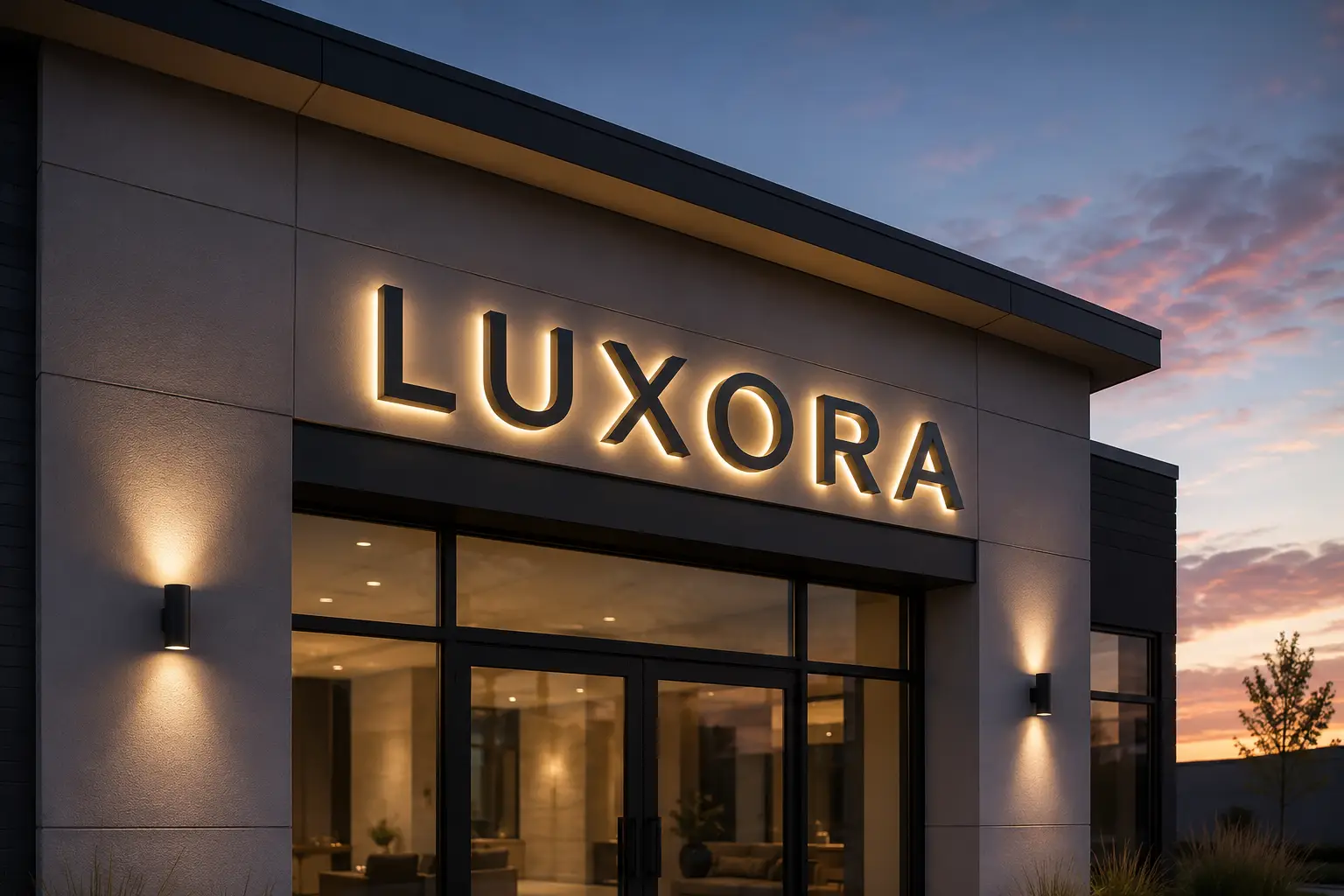
Schilderhersteller
Leuchtbuchstaben, Banner, Monumentschilder, Fahrzeugbeschriftungen. Sonderfarben, auf Montagemaße skaliert, fürs Fräsen und die Substratwahl separiert.
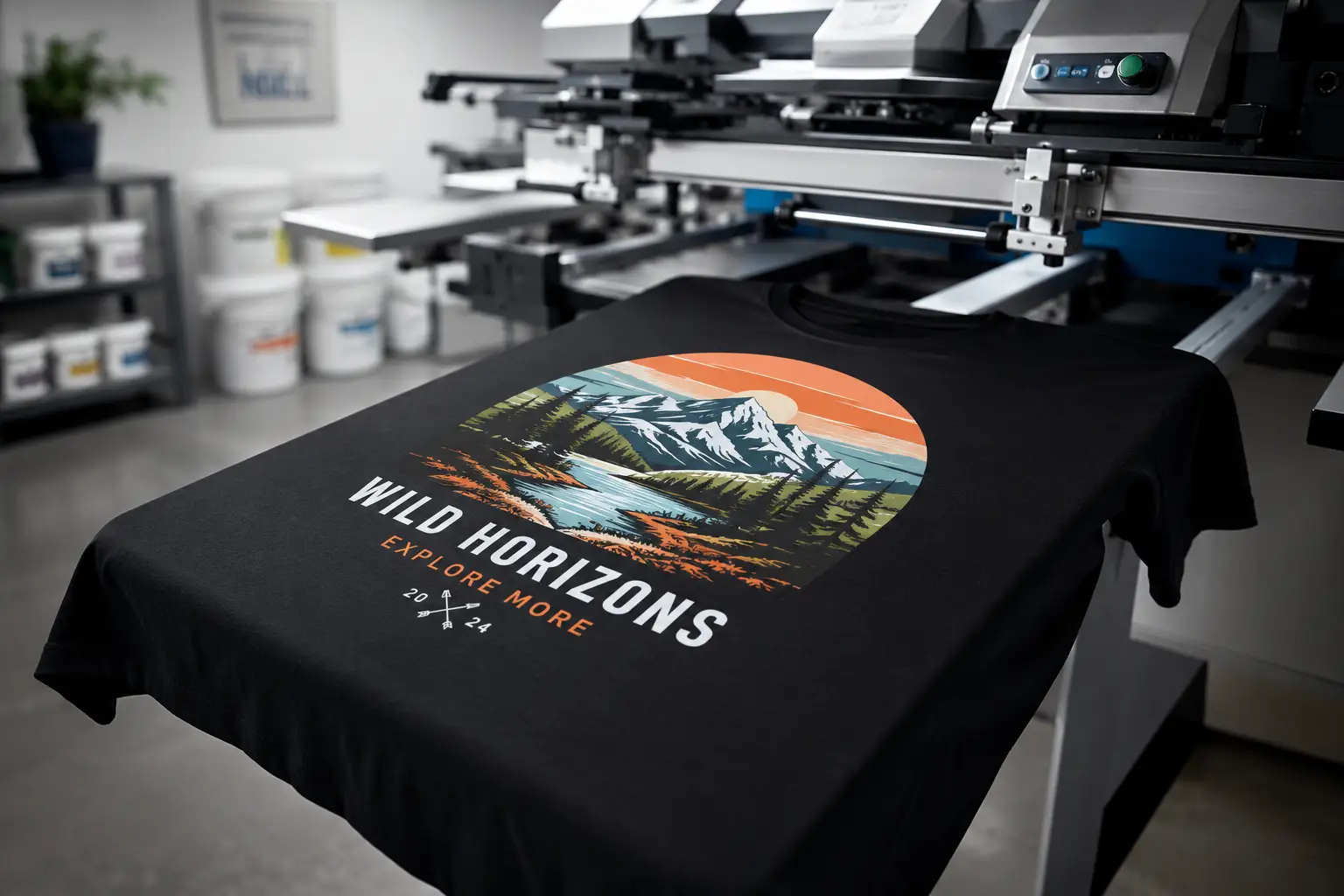
Siebdruck
PMS-abgeglichene Separationen, Halbtöne, Aussparungen, Unterfüllung + Überfüllung, Unterlegweiß-Planung. Bereit für die Maschine, nicht nur fürs Sieb.
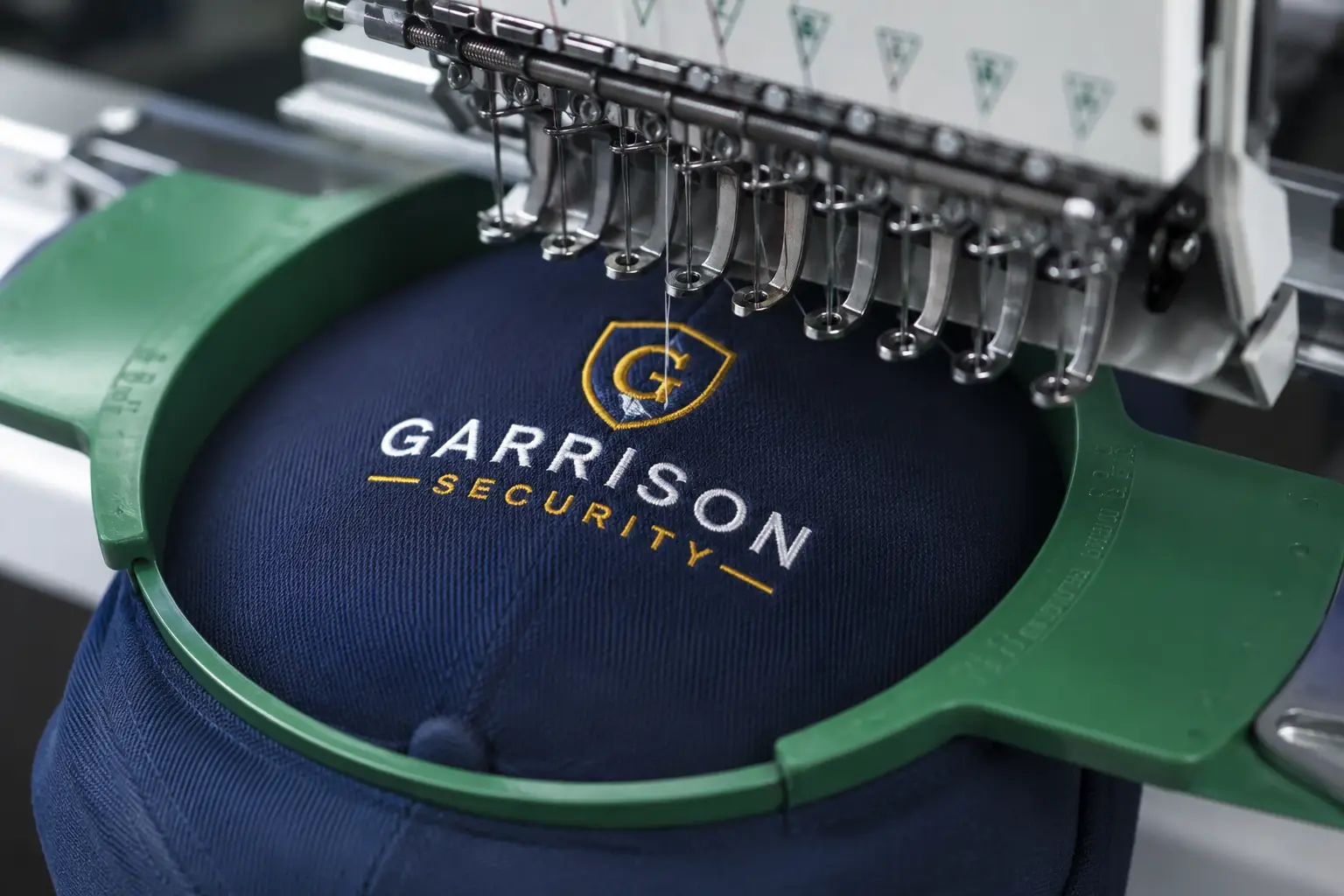
Stickerei
Stichgerechte Neuzeichnungen, dichteoptimierte Füllungen, vereinfachte Pfade. Garnfarben für Ihren Digitalisierer ausgewiesen.
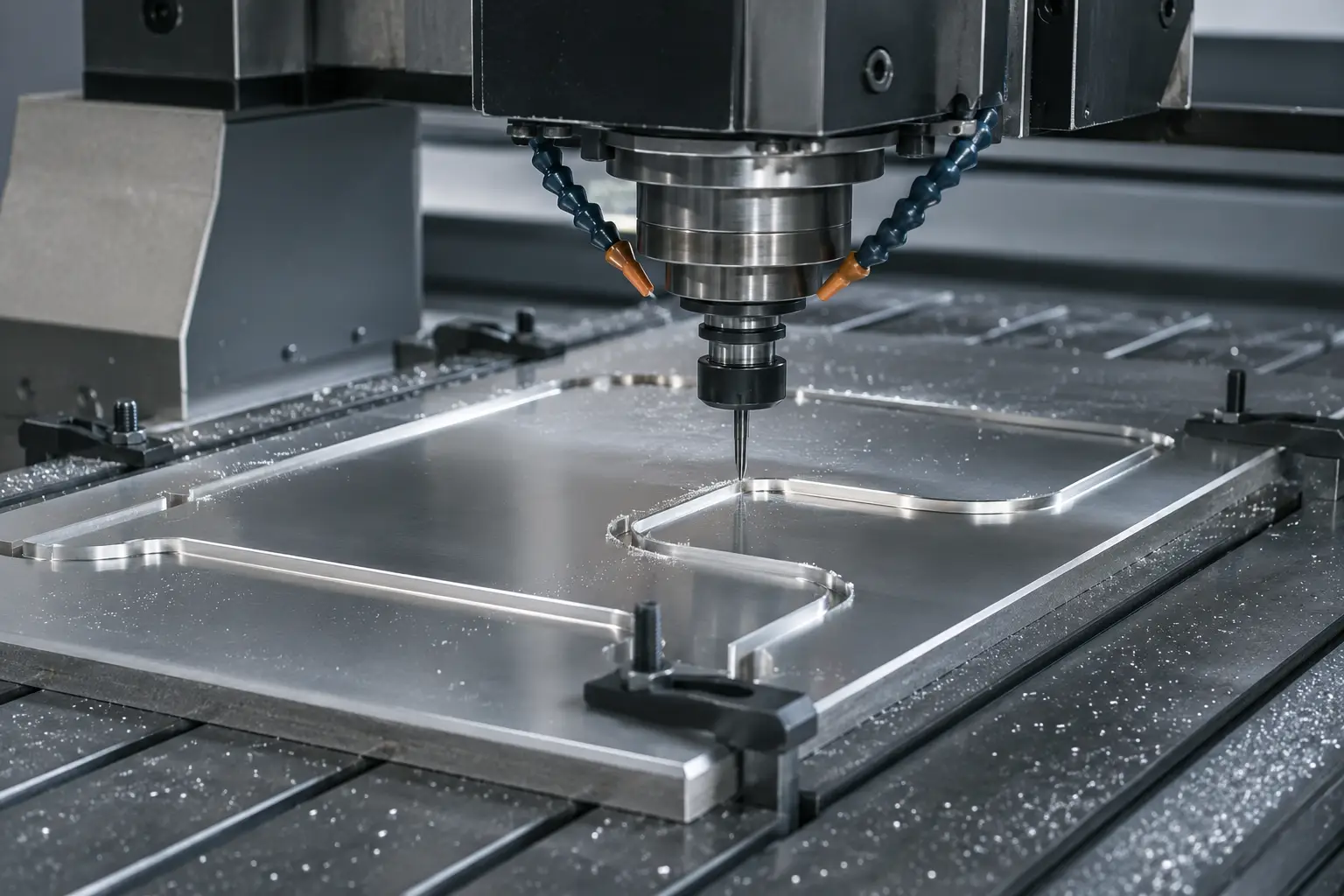
DXF / Laser / CNC
Vektoren mit geschlossenen Pfaden für Laserschneider, CNC-Fräsen und Wasserstrahl. Schnittfugenkompensiert, tiefengeschichtet, werkzeugbahnfertig.
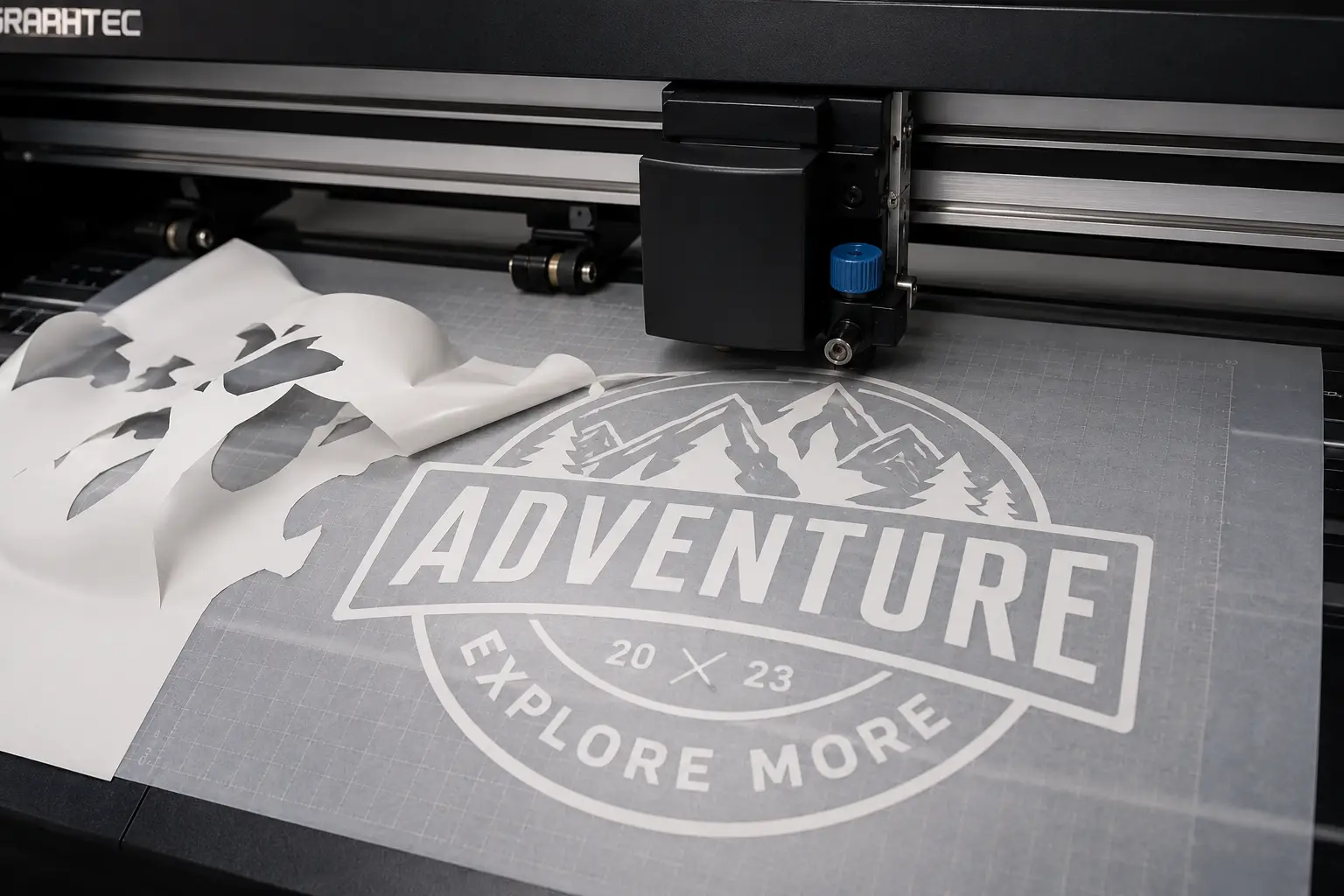
Folienplotter
Entgitterfreundliche Konturen, Konturschnitte, Überschnitt-Kompensation. Bereit für Roland, Graphtec, Silhouette und Cricut.
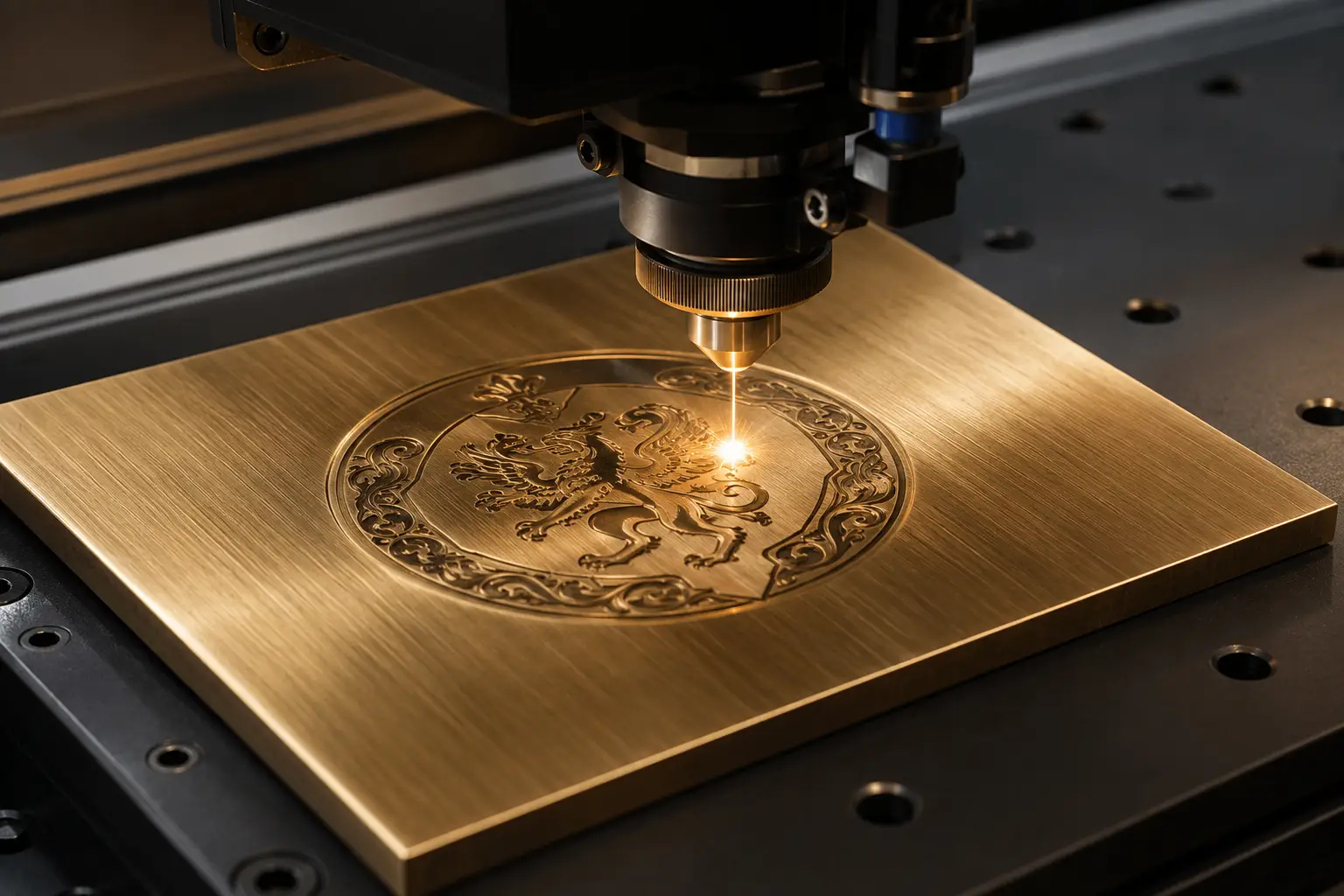
Gravur
Einlinien-Strichschriften, tiefen-getrennte Pfade, geschlossene Werkzeugpfade. LightBurn- und VCarve-kompatibel.
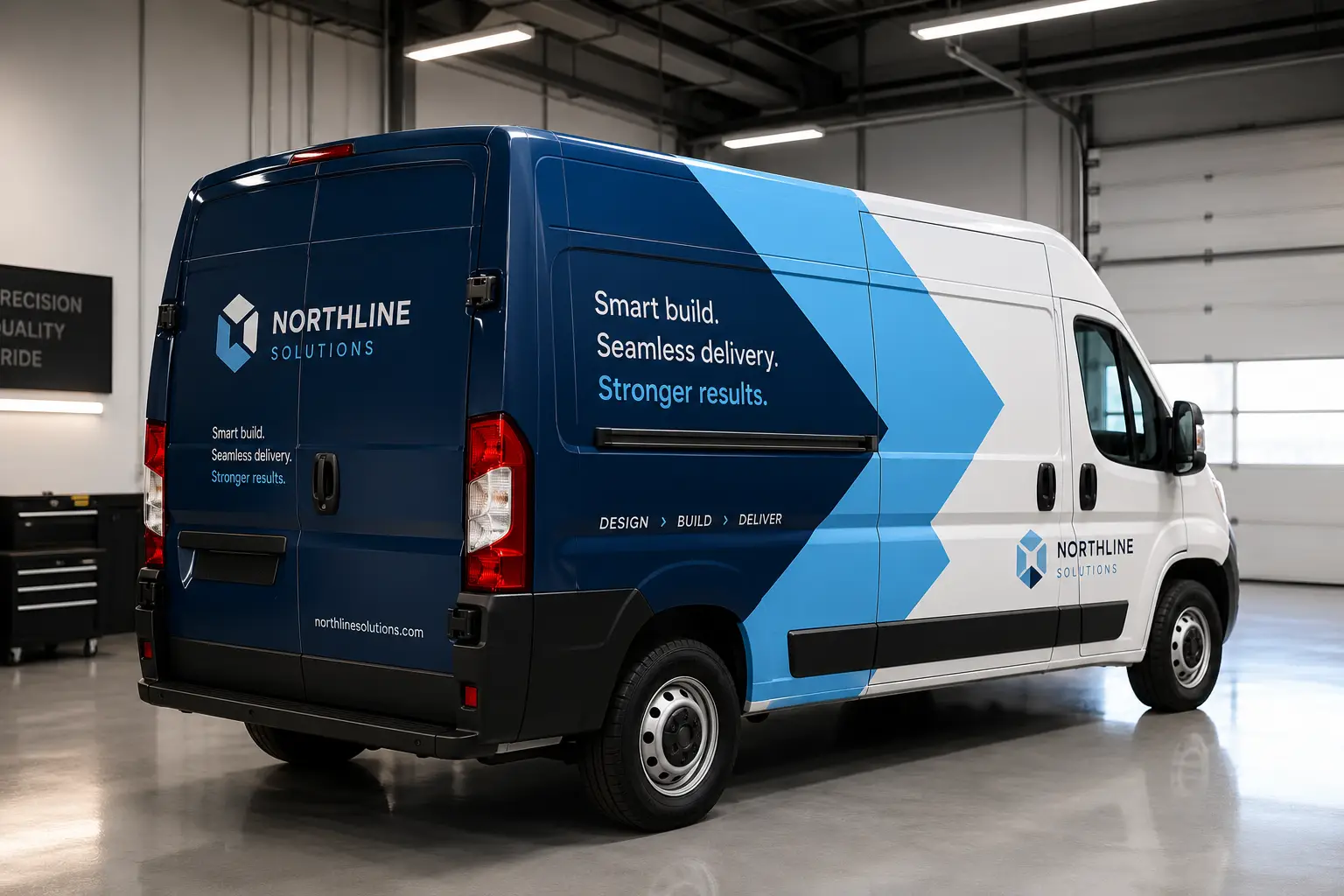
Fahrzeugbeschriftung
Vollflächen-Panels, Beschnitt und Nahtzugabe, Konturschnitte und sonderfarbgenaue Markenfarbe – vorbereitet für Großformatdruck und Gussfolien.
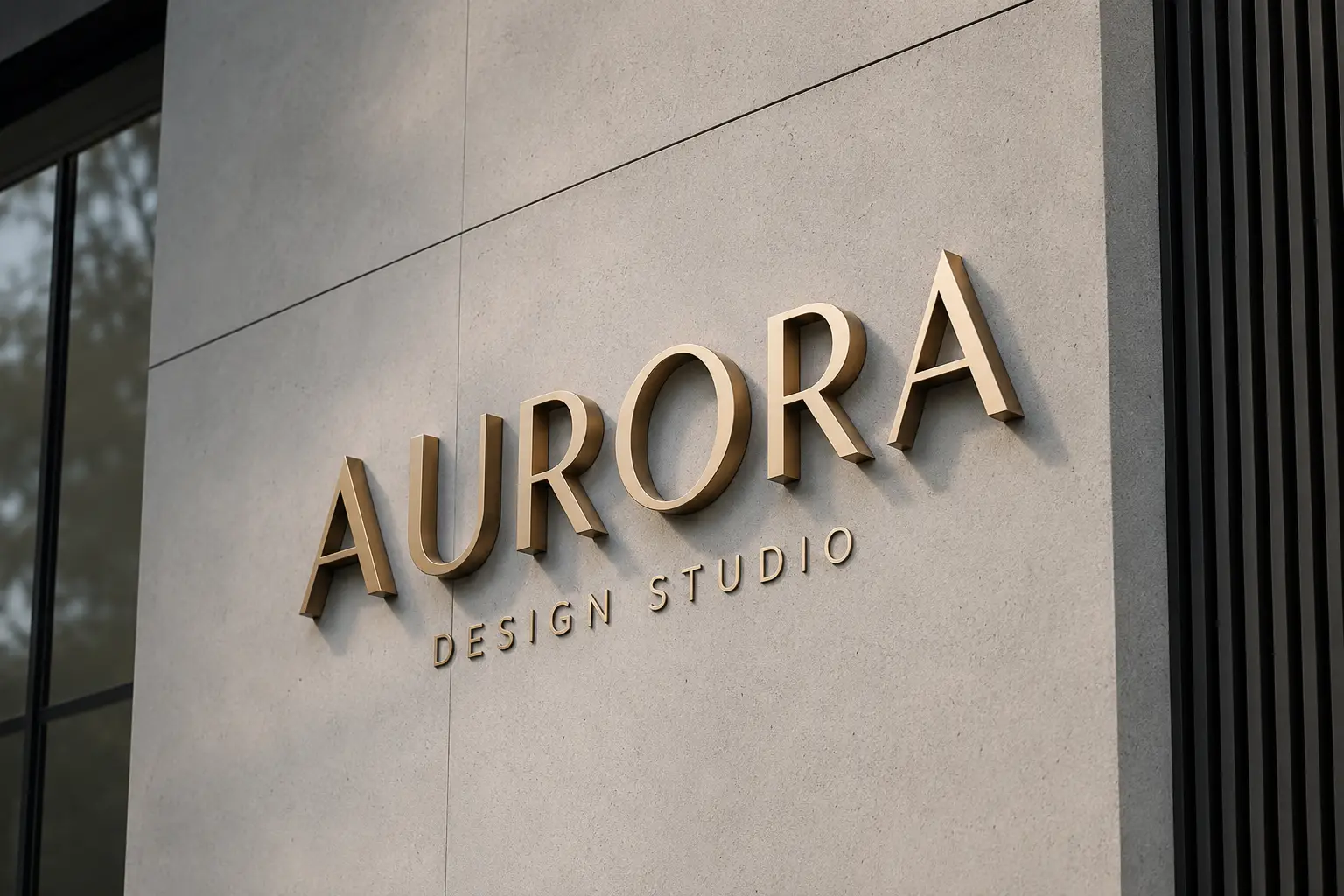
Schilderbauer
Profilbuchstaben, ADA-Beschilderung, mehrschichtige Baudateien mit Zargen- und Schweißlinien sowie werkzeugpfadierte DXF für die Werkstatt.
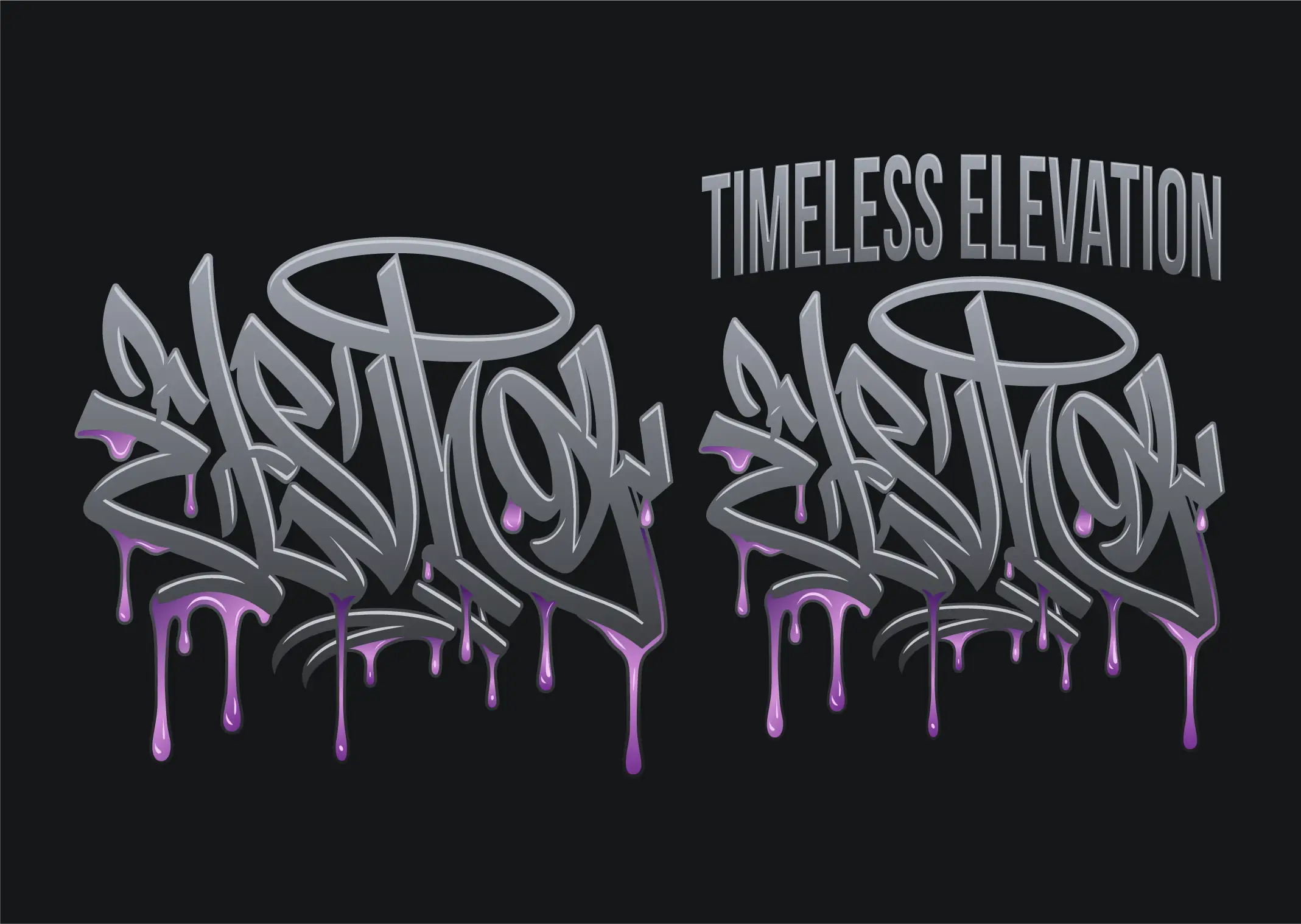
DTF & DTG
Vektorkonvertierung für DTF, DTG und Transferdruck: scharfe Kanten ohne weißen Rand, echte Farben, kein eingebackener Hintergrund. Exportieren Sie ein scharfes PNG in jeder Druckgröße.
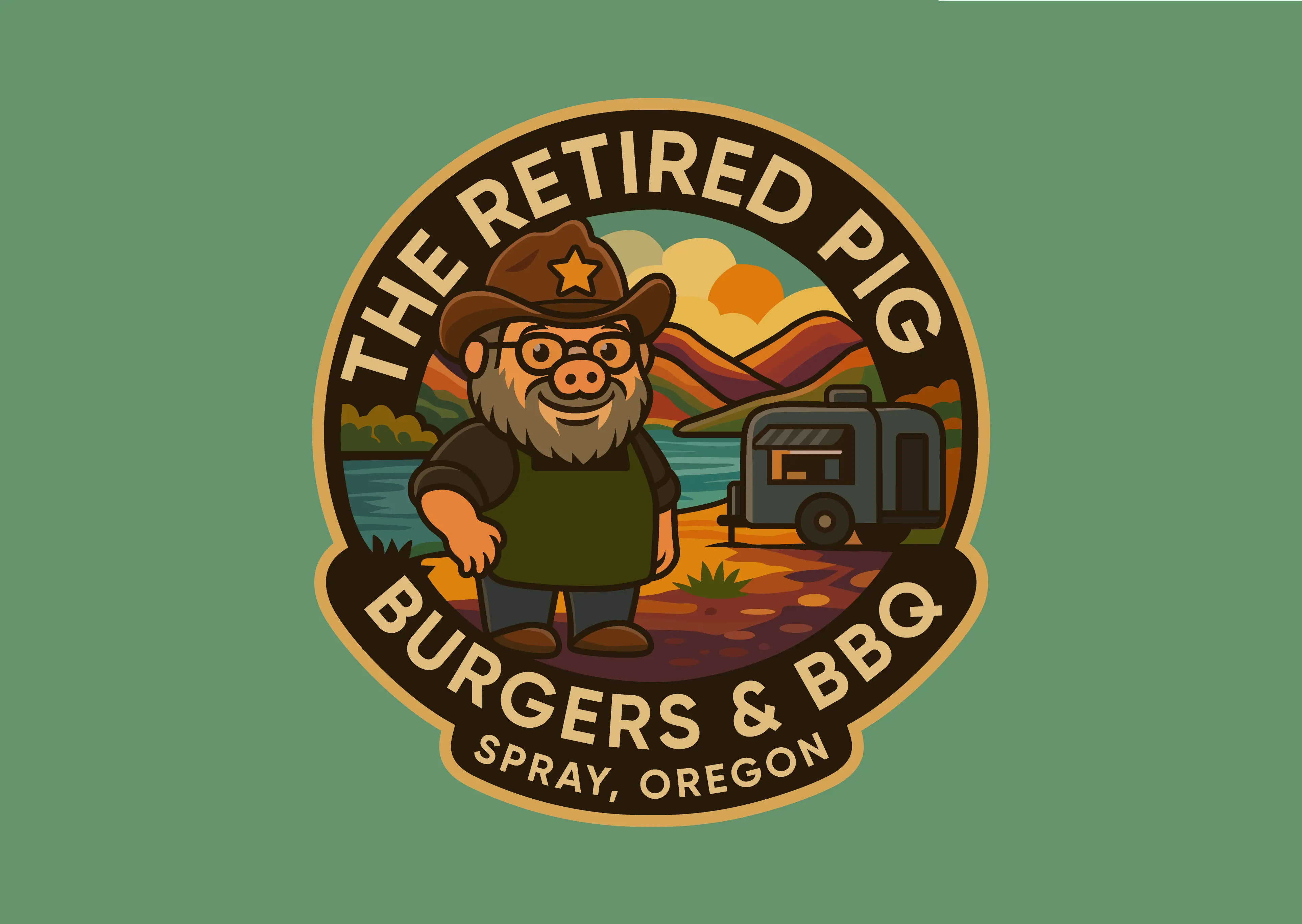
Aufkleber & Etiketten
Vektorkonvertierung für Aufkleber und Etiketten: saubere Grafik in Druckgröße plus separate CutContour-Linie mit Beschnittzugabe, für Die-Cut, Kiss-Cut und Print & Cut.
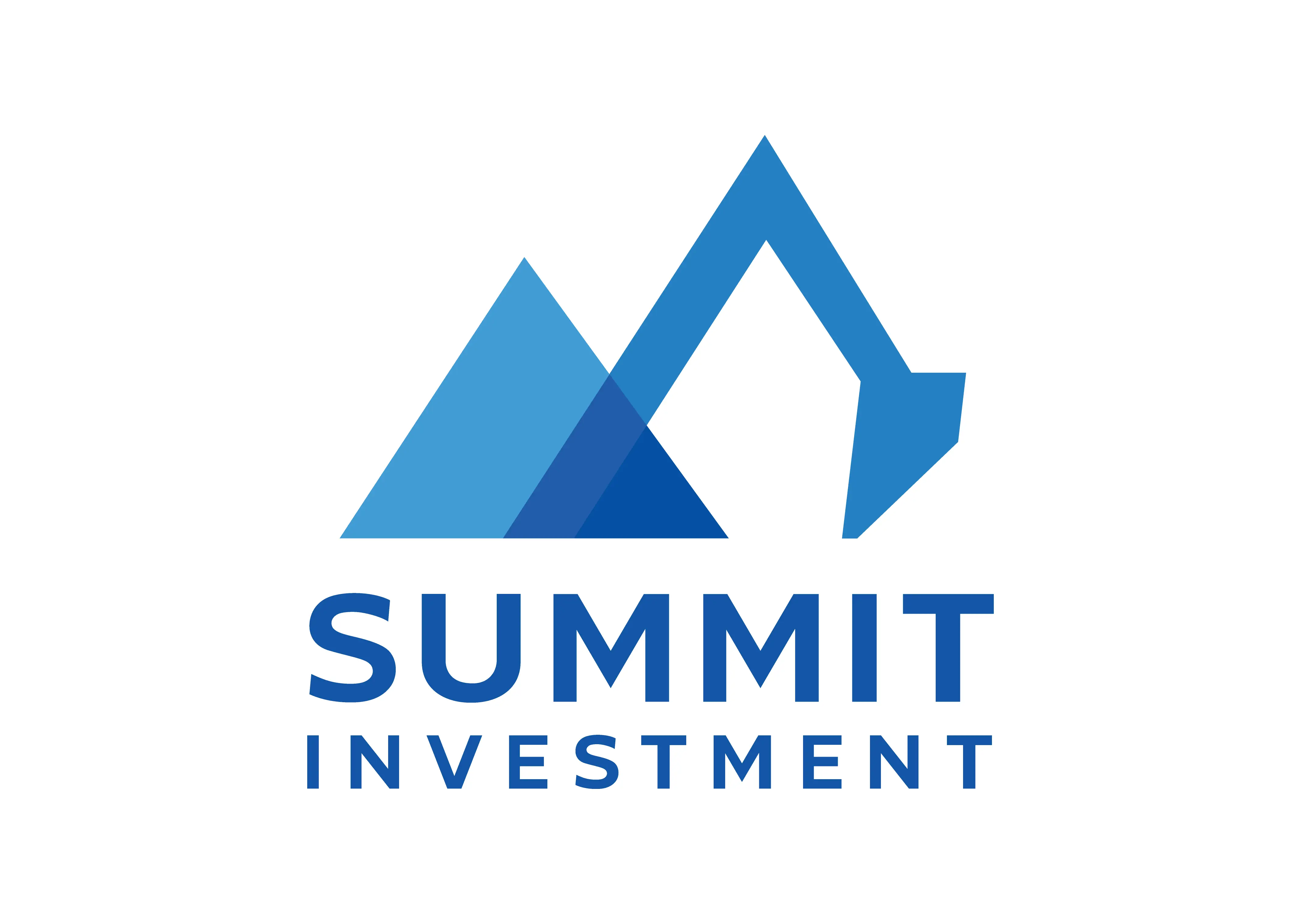
Werbeartikel
Druckfertige Vektorlogos für Kugelschreiber, Tassen, Becher und Lanyards: ein- oder zweifarbige Sonderfarb-Versionen, Schriften in Pfaden und Negativversionen für dunkle Artikel.
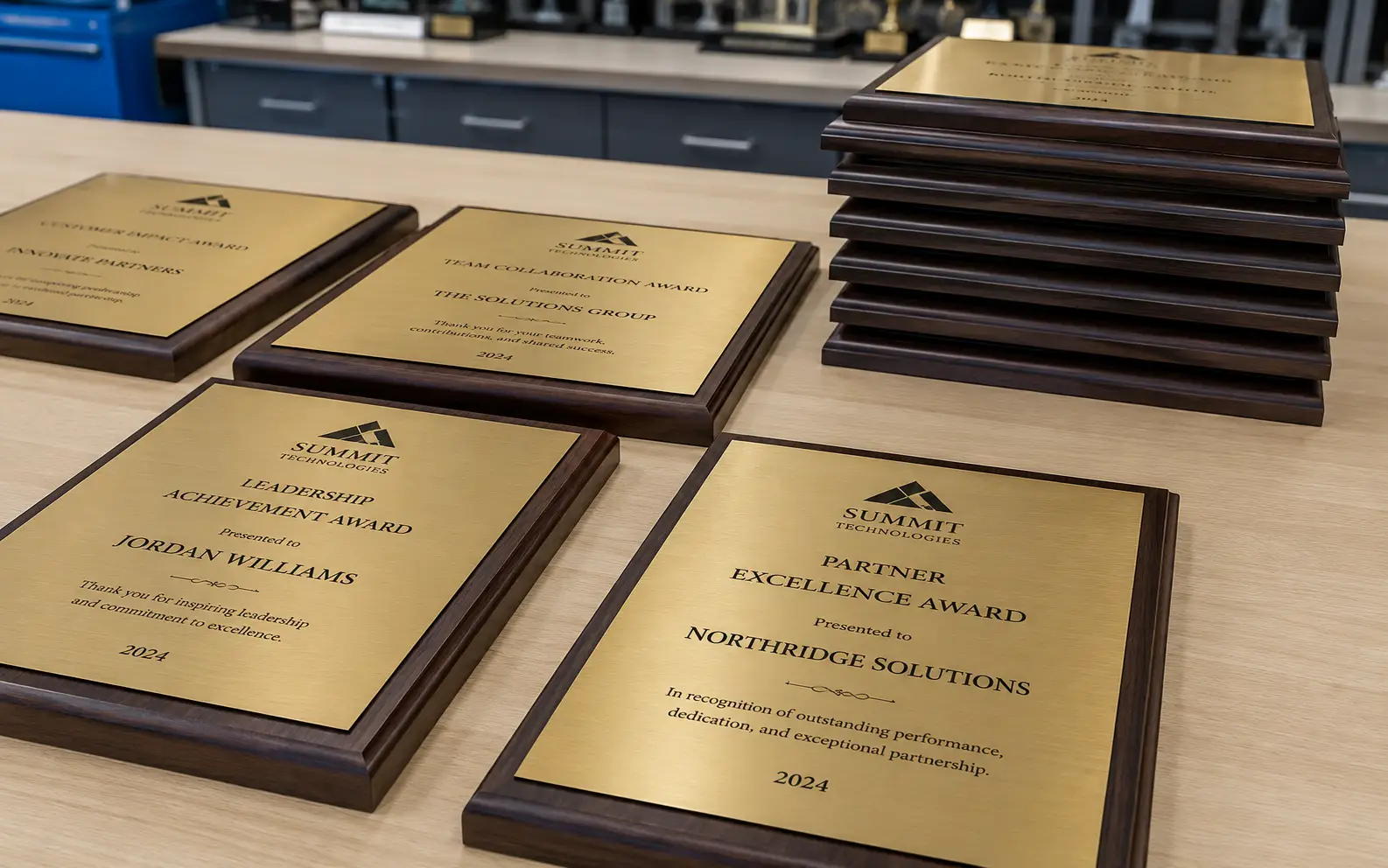
Pokale & Glasgravur
Einfarbige Vektorlogos für Ehrenschilder, Pokale und sandgestrahltes Glas: volle Flächen, geschlossene Pfade, schablonenfeste Punzen und Negativversionen für dunkle Schilder.
Was Vektorkonvertierung eigentlich ist
Eine Rasterdatei – ein JPG, ein PNG, ein Screenshot, ein Foto eines gedruckten Schildes – speichert ein festes Raster aus farbigen Punkten. Vergrößern Sie sie, wachsen die Punkte mit, Kanten werden weich und treppig. Eine Vektordatei speichert stattdessen die Form: Ankerpunkte und die Kurven dazwischen, mathematisch beschrieben. Dasselbe Vektorlogo druckt sauber auf einer Visitenkarte und auf einem zwölf Meter langen Banner, weil nichts gestreckt, sondern neu berechnet wird.
Für einen Produktionsbetrieb ist der Unterschied nicht kosmetisch, sondern mechanisch. Ein Plotter braucht geschlossene Pfade, sonst vollendet das Messer den Schnitt nie. Eine Druckmaschine braucht Farben, die auf benannte Platten separiert sind. Eine Fräse braucht Geometrie, die sie für die Schnittfuge versetzen kann. Eine Stickmaschine braucht Stichdaten, kein Bild. Nichts davon steckt in einem JPG, und nichts davon entsteht zuverlässig per Klick auf „Automatisch nachzeichnen“.
Vektorkonvertierung ist die Arbeit, diese Grafik so neu aufzubauen, dass die Maschine sie verarbeiten kann. Sie läuft unter mehreren Namen – Vektorisierung, Vektornachzeichnung, Bildvektorisierung, Raster-zu-Vektor-Konvertierung, Vektorgrafik-Konvertierung –, und alle beschreiben dieselbe Arbeit. VectorWiz erledigt sie von Hand.
Manuelle Neuzeichnung vs. automatisches Nachzeichnen
Ein automatischer Tracer tastet ab, wo sich Farben ändern, und legt einen Pfad entlang der Grenze. So entsteht durchaus ein Bild, das dem Original ähnelt. Für eine Datei, die auf einer Maschine laufen soll, ist das aber ein schlechter Weg, denn der Tracer weiß nicht, was die Grafik *ist* – er kann einen Buchstaben nicht von einem Fleck unterscheiden und eine bewusste Kontur nicht von JPEG-Kompressionsrauschen.
- **Knotenzahl.** Eine automatische Nachzeichnung erzeugt typischerweise Tausende Ankerpunkte, wo eine Neuzeichnung mit einigen Dutzend auskommt. Jeder überflüssige Knoten ist eine Stelle, an der der Schnitt stocken kann.
- **Offene Pfade.** Nachgezeichnete Konturen schließen häufig nicht. Ein Schneideplotter folgt dem Pfad und hört einfach dort auf, wo die Geometrie aufhört.
- **Verflachte Farben.** Eine Nachzeichnung erzeugt aneinanderliegende Farbflächen, keine separierten Druckfarben. Es gibt nichts, was man der Druckmaschine als Platte übergeben könnte.
- **Schrift.** Bei kleiner Schrift scheitern Tracer am sichtbarsten – Buchstaben laufen ineinander oder fallen weg. Schrift muss neu aufgebaut werden; lässt sich die Schriftart bestimmen, wird sie sauber neu gesetzt und in Pfade umgewandelt.
- **Keine Produktionszugaben.** Schnittfugen-Kompensation, stichgerechte Vereinfachung, Choke und Spread, entgitterfreundliche Konturen – nichts davon steckt in einer Nachzeichnung, weil der Tracer nicht weiß, für welche Maschine die Datei bestimmt ist.
Eine Neuzeichnung durch einen Menschen geht von der Absicht der Grafik aus, nicht von ihren Pixeln. Ein Designer erkennt die Formen, baut sie mit bewusst gesetzten Kurven neu auf, setzt die Schrift, trennt die Farben und bereitet die Geometrie für das Verfahren vor, das sie tatsächlich verarbeitet. Das dauert länger als ein Klick, deshalb wird pro Auftrag abgerechnet – und genau deshalb funktioniert die Datei beim ersten Mal.
Was Sie zurückbekommen
Jeder Auftrag wird in Illustrator von Hand neu gezeichnet, mit benannten Ebenen und korrekten Schmuckfarben, und kommt als **ebenenbasierte AI, EPS, SVG und PDF** zurück – alle vier, bei jedem Auftrag, ohne Aufpreis. DXF, Farbseparationen und andere Spezialformate erstellen wir auf Anfrage; sagen Sie uns, für welche Maschine die Datei ist, und die Lieferdatei wird passend gebaut. DST- oder PES-Stickdateien erstellen wir nicht; für Stickerei liefern wir digitalisierfertige Vektorpfade und ein Stich-Hinweisblatt. Die Dateien kommen als ZIP, per E-Mail und in Ihrem Dashboard.
| Formate | |
|---|---|
| Sie schicken uns | PNG · JPG · HEIC · WebP · TIFF · BMP · PDF · AI · EPS · SVG · PSD |
| Bei jedem Auftrag enthalten | AI (mit Ebenen) · EPS · SVG · PDF |
| Auf Anfrage | PDF/X-1a · DXF · Farbseparationen |
Die Farbe wird abgeglichen, bevor gezeichnet wird – nicht nachträglich korrigiert. Geben Sie PMS Solid Coated, PMS Premium, RAL Classic, RAL Design, CMYK-Prozess oder RGB an, oder hängen Sie Ihr eigenes Farbmuster an, und wir gleichen darauf ab.
Was es kostet
Der Preis richtet sich danach, wie viel Zeichenarbeit die Grafik tatsächlich braucht, in vier Komplexitätsstufen – $19 to $190 pro Auftrag. Laden Sie eine Rasterdatei hoch, und der Preis wird berechnet und angezeigt, bevor Sie sich festlegen; keine Angebotswarteschlange, keine Einrichtungsgebühr, keine Kosten pro Korrektur.
- **Stufe 1 · Einfach** – $19. Ein einfarbiges Zeichen, eine Unterschrift, ein klares Logo mit wenigen Formen.
- **Stufe 2 · Mittel** – $57. Mehrere Farben, mittlerer Detailgrad, Grafik mit echtem Separationsaufwand.
- **Stufe 3 · Komplex** – $114. Detaillierte Illustration, viele Farben, Verläufe oder aufwendiger Schriftaufbau.
- **Stufe 4 · Produktionsstufe** – $190. Vollständige Illustrationsarbeit und mehrlagige Fertigungsdateien.
Betriebe, die regelmäßig Aufträge schicken, können auf einen monatlichen Credit-Plan umsteigen und dieselben Aufträge aus einem Credit-Guthaben abrufen, statt pro Datei zu zahlen. Die Stufenübersicht und den Tarifvergleich finden Sie auf der Preisseite.
Bearbeitungszeit, Korrekturen und Neuanfertigungs-Garantie
Die Standard-Bearbeitungszeit beträgt 24 Stunden. Express liefert in 12 Stunden für 50 % Aufpreis, Flex liefert die Datei in 3 Werktagen für 10 % weniger – Sie wählen im Checkout, pro Auftrag, damit ein eiliger und ein routinemäßiger Auftrag nicht dasselbe kosten müssen.
Korrekturen sind unbegrenzt und kostenlos. Stimmt etwas nicht – eine Kurve, eine Farbe, ein Ebenenname –, geht es zurück in den Korrektur-Thread des Auftrags und wird behoben. Und lässt sich eine gelieferte Datei nicht korrekt drucken, schneiden oder sticken, wird sie dank der 100 %-Neuanfertigungs-Garantie kostenlos neu gezeichnet.
Gebaut für die Maschine, die die Datei verarbeitet
Dasselbe Logo wird zu einer anderen Datei, je nachdem, was es leisten muss. Ein Schneideplotter will entgitterfreundliche Konturen und Überschnitt-Kompensation. Ein Laser will geschlossene Pfade und einlinige Schrift. Eine Druckmaschine will benannte, überfüllte Farben. Ein Stickkopf will dichteoptimierte Füllungen und vereinfachte Pfade. Wählen Sie Ihren Workflow bei der Bestellung, und die Lieferdatei wird dafür vorbereitet – oder nutzen Sie die Branchenseiten unten, die genau beschreiben, welcher Spezifikation jede Datei entspricht.
Sie brauchen nur ein Markenzeichen neu gezeichnet, noch ohne bestimmte Maschine? Beginnen Sie mit der Logo-Vektorisierung: kostenlos nachzeichnen und dann von einem Designer mit sauberen Formen und separierten Markenfarben neu aufbauen lassen.
Dinge, die wir unabhängig vom Workflow erledigen.
Farbabgleich
PMS Solid Coated, PMS Premium, RAL Classic, RAL Design, CMYK-Prozess oder RGB – oder hängen Sie Ihr eigenes Farbmuster an. Abgeglichen, bevor wir zeichnen, nicht danach korrigiert. Pantone-Abgleich →
Neu-Illustration
Wenn die Vorlage zu beschädigt ist, um sie sauber nachzuzeichnen, bauen wir sie aus der Vorlage neu auf — wir bewahren die Designabsicht, nicht die Bitmap.
Halbton-Separation
Druckfertige Schmuckfarben- und simulierte Prozessseparationen — Winkel, Frequenzen, Unterdruck, Choke und Spread. Farbseparation →
Genau die Datei, die Ihre Maschine verarbeitet.
Jede Branchenseite unten deckt die Ausgabeformate ab, die dieser Workflow braucht. Finden Sie Ihre Maschine und öffnen Sie die Seite.
Schilderhersteller
DXF, SVG, EPS
Siebdrucker
EPS, AI
Stickereien
AI, SVG, EPS (digitalisierfertige Pfade)
Folienplotter
SVG, DXF
Fahrzeugbeschrifter
AI, PDF
Graveure
AI, DXF
Frequently asked questions
Direct answers to what production buyers ask before placing their first order. Question missing? Ask us.
Was ist ein Vektorkonvertierungs-Service?
Was ist der Unterschied zu einem kostenlosen Online-Vektorisierer?
Welche Dateiformate bekomme ich zurück?
Was kann ich Ihnen schicken?
Was kostet eine Vektorkonvertierung?
Wie lange dauert es?
Was, wenn die Datei nicht passt?
Übernehmen Sie auch Vektorisierung, Vektorgrafik-Konvertierung und Raster-zu-Vektor-Konvertierung?
Können Sie eine bestimmte Markenfarbe treffen?
Brauche ich ein Konto, um zu bestellen?
Machen Sie auch Bildbearbeitung, Logodesign oder Stickerei-Digitalisierung?
Hoch · die Säule
Quer · vergleichen
Etwas dabei, das wir nicht aufführen?
Wenn Ihre Maschine Vektordateien liest, können wir sie vorbereiten. Wir haben schon Grafiken für Sublimation, Foliendruck, Heißprägung und Abziehbilder vorbereitet — nur noch nicht auf der Speisekarte.
- Was Vektorkonvertierung ist – ausführlich
Der Ratgeber hinter dieser Leistungsseite – Formate je Maschine und warum eine Neuzeichnung jede automatische Nachzeichnung schlägt.
- Komplexitätsstufen und Monatstarife
Die vollständige Preistabelle pro Auftrag und der Tarifvergleich.
- Konvertierungen vorher und nachher
Echte Quelldateien neben der Vektordatei, die ausgeliefert wurde.
- Kostenloser Vektor-Konverter
Zeichnen Sie Ihre Datei im Browser nach und sehen Sie, wo eine automatische Konvertierung bricht.
- Standard-, Express- und Flex-Bearbeitungszeit
Wie die 24-Stunden-Zusage und die Express- und Flex-Optionen funktionieren.