For screen printers

Files your screens actually like.

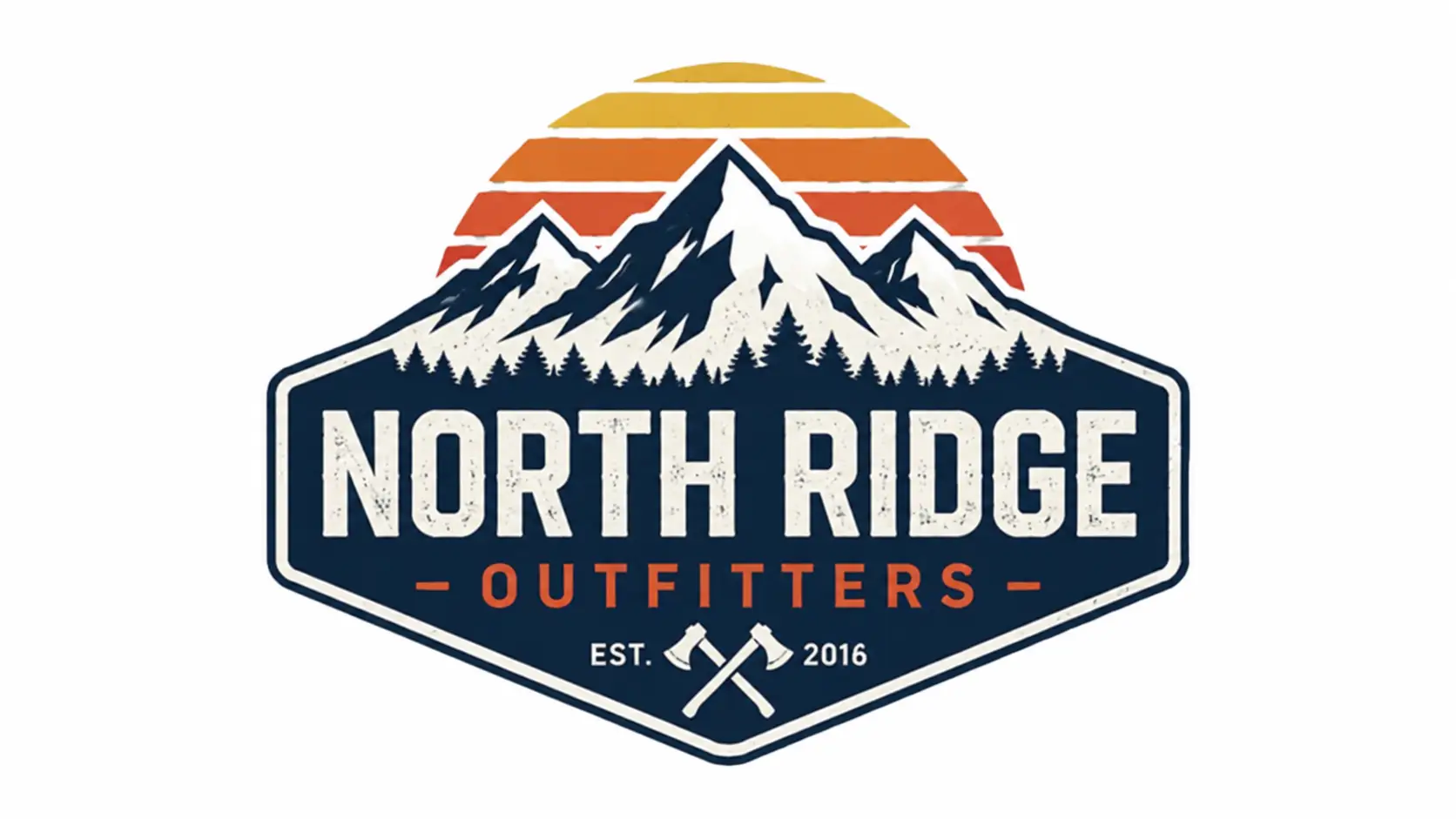
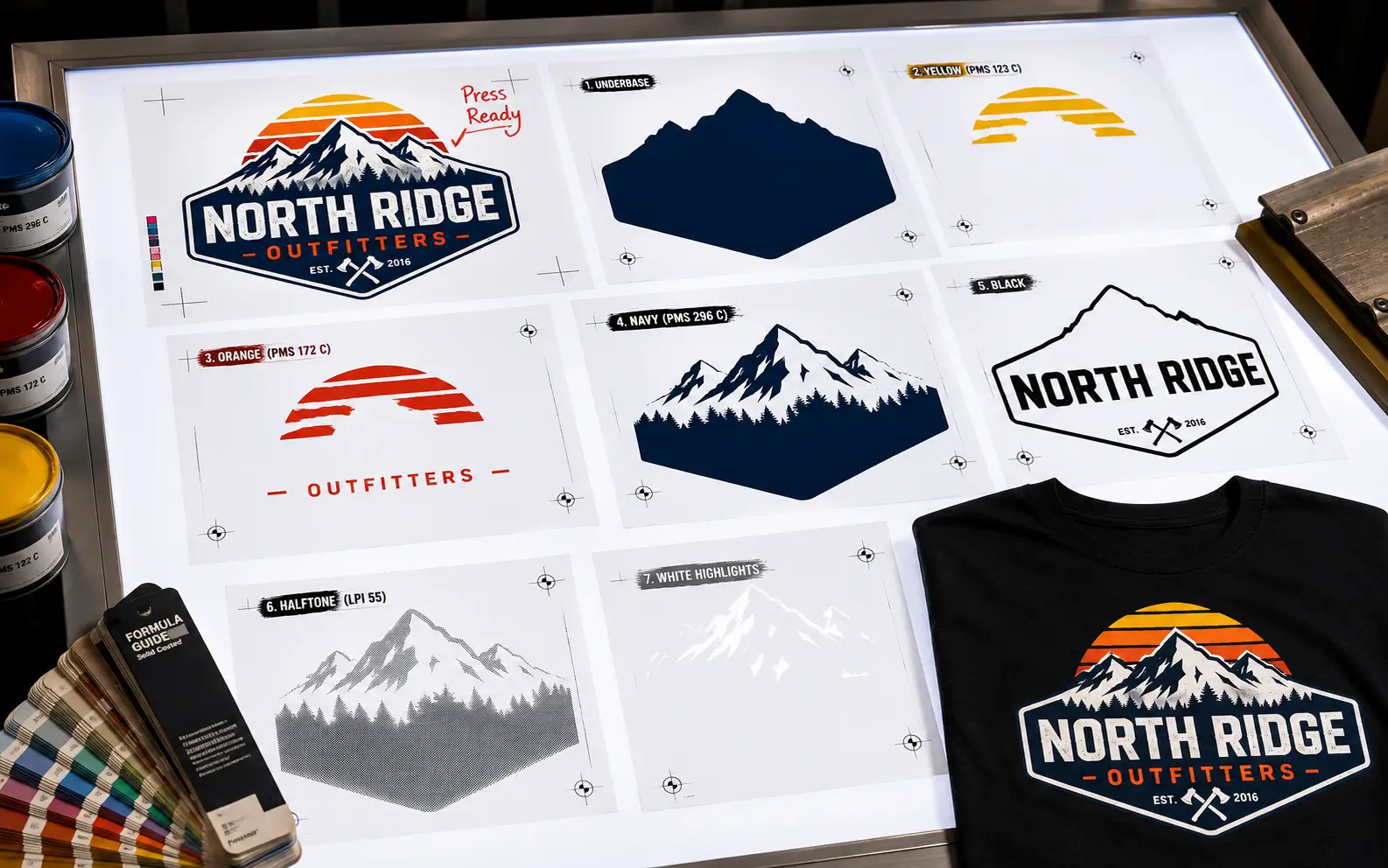
We convert raster artwork into screen-ready vector files: spot-color separations, halftone breakdowns, Pantone-named layers, and the underbase already drawn. Manual rebuilds by in-house designers — no auto-traced shortcuts that fail on press.

Vector conversion for screen printing

Screen printers use VectorWiz to turn customer artwork (PNG, JPG, scanned PDF, lo-res social-media exports) into press-ready vector files with proper spot-color separations, halftone treatment for photographic elements, named Pantone swatches, and a drawn underbase for dark garments. Files ship in AI, EPS, PDF, and SVG with one screen-ready layer per color.

Why production shops standardize on VectorWiz

Spot-color separated

One Illustrator layer per spot color. Each layer is named with the Pantone or ink color you specified — no remapping before you burn screens.

Halftones drawn correctly

Photographic gradients become proper halftones at the LPI you specify, with angle separation between colors so moiré stays out of the print.

Underbase included on dark goods

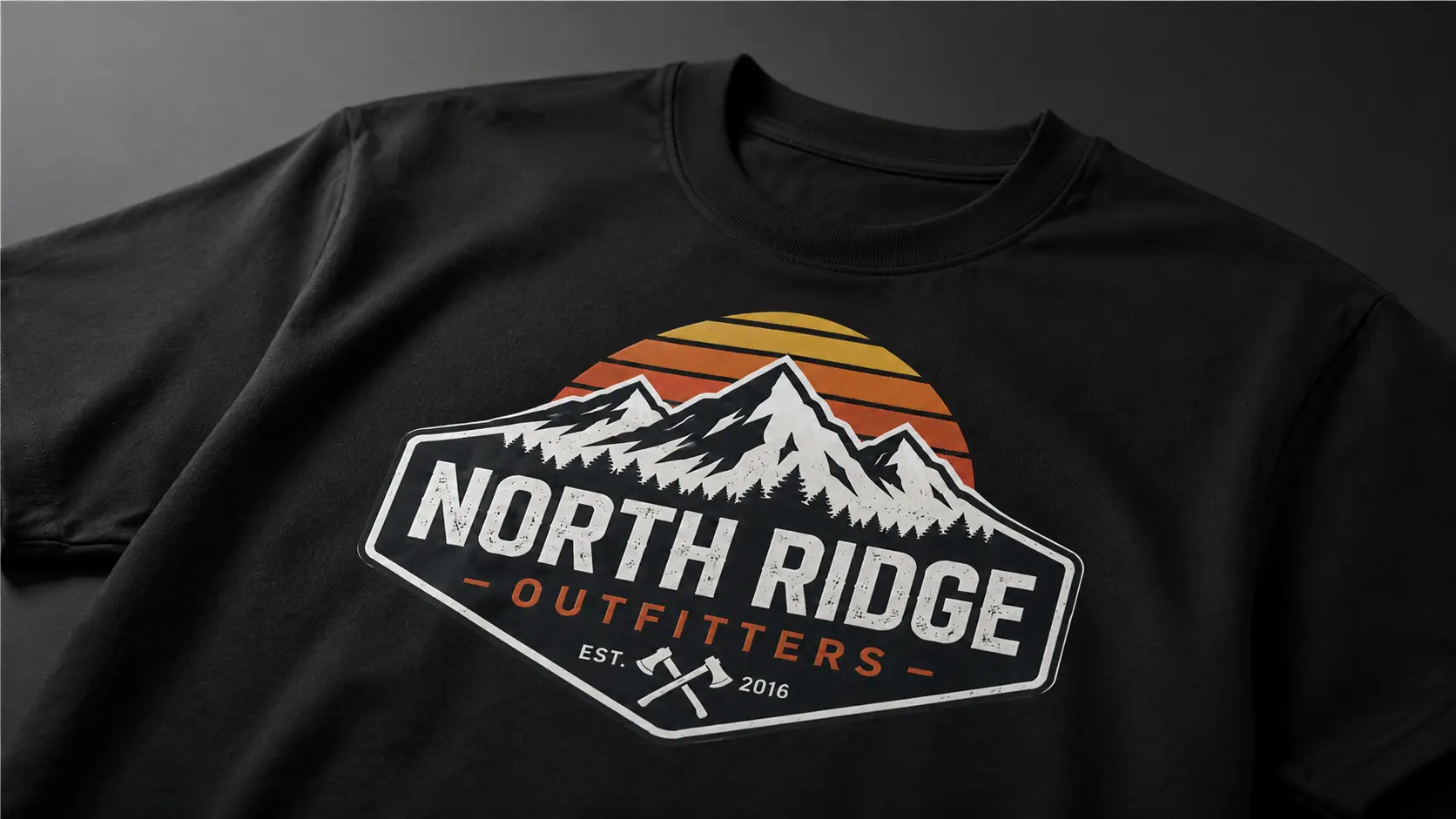
When the job prints on a dark substrate, we draw the underbase white layer with the right choke and trap settings — saves you a screen and a color check.

Type already outlined

Fonts converted before delivery. No font-substitution surprise on the press computer; no licensing concerns.

Press-ready format export

AI source, EPS for older RIP software, PDF/X-1a press-ready exports if you need them. Every file works in Wasatch, AccuRIP, FilmMaker, or whatever's pinned to your workflow.

Same-day on standard jobs

Simple and Medium complexity files ship within 8 business hours of checkout. Halftone-heavy art typically delivers in 24 hours.

How a job moves through VectorWiz

  1. Submit your art and ink list

    Upload the customer file. Tell us the ink colors (Pantone, plastisol, water-based, or named ink), the substrate (light or dark, 100% cotton, blend, polyester), and the LPI for any halftones.

  2. Instant price

    Our classifier grades complexity the moment you upload and shows the price instantly — in credits for subscribers or USD for per-job orders. Halftone separations move jobs into Medium or High; spot-color simple-mark jobs stay Simple.

  3. Manual rebuild + separation

    Designer rebuilds the artwork as vector, separates into one layer per color, draws underbase if needed, applies halftones at your spec. QC pass before delivery.

  4. Press-ready delivery

    AI, EPS, SVG, PDF in one zip. Layered with named Pantone or ink colors. Halftone separations in films or layered AI as you prefer.

What every screen-print deliverable contains

We deliver one zip with the artwork prepped for the inks and substrates you specified at checkout. Layers are screen-numbered. Halftones are at the LPI and angle you asked for. Underbase is drawn where needed. The file drops into your RIP and outputs films.

Standard screen-print deliverable
FormatBest forWhat we ship
AI (Adobe Illustrator)Editing sourceLayered file with one layer per ink color, named with Pantone or ink spec, fonts outlined.
EPSOlder RIP software (Wasatch, FilmMaker)Flattened-color EPS with named spot inks and proper trap/overprint flags.
PDF/X-1aPress-ready proof and film outputSingle-page press-ready PDF with all spot colors named and embedded.
SVGWeb preview, customer proofWeb-clean SVG for quick approvals and online proofing systems.

How we handle halftones, gradients, and photographs

Most production headaches come from photographic source material that the customer expects to print on a 4-color manual press. The conversion isn't tracing — it's translating the photographic effect into spot color seps that actually print.

  • Soft gradients become 2–4 step blends in spot inks (or proper process simulation) at the LPI you specify.
  • Photographic elements become halftone screens at the angle separation that avoids moiré with adjacent colors.
  • Process simulation (CMYK on press) is available for high-color photographic jobs that need to ship in 4 inks total.
  • Out-of-gamut Pantone calls get flagged during the rebuild so you don't surprise the customer with a substitution.

Pantone, named inks, and color management

Sign every spot color with the customer's spec — Pantone Solid Coated/Uncoated, RAL, custom Plastisol mix names, water-based formulations. Layer names match the ink, not generic numbers. Your color manager sees Pantone 186 C in the file rather than ‘Layer 4’.

Pantone Solid (Coated/Uncoated)
Named swatches preserved in the AI file with the customer-specified library. CMYK and RGB equivalents are computed for proofing only — final ink reference stays Pantone.
Custom Plastisol mixes
Pass us your mix name (e.g. ‘Sport Red 220’) and we'll save it as a named spot color. Your RIP and your mixing recipe match.
Water-based and discharge
We can flag colors that won't reproduce well on water-based or discharge prints (typically very dark navy, brown, deep red) so you can negotiate the substitution before printing.
Underbase choke and trap
Standard choke is 0.5pt from the printed color edge. Custom values per your shop's preference are honored if specified on your order.

How complexity drives the screen-print price

Screen-print jobs range from Simple (1-color text logos) to Complex (photographic 8-color jobs with halftones). The complexity rubric drives credit cost and the instant USD price consistently across all jobs — shown the moment you upload.

Screen-print complexity in practice
AspectCreditsUSDTypical example
Simple10$25–351-color text-and-mark logo, no halftone, dark or light substrate
Medium20$45–652–4 spot colors, simple gradient as 3-step blend, basic underbase
High35$75–110Halftones, distressed effects, 5–6 colors, complex underbase choke
Complex60$130–180Photographic source, full halftone separations, simulated process
BulkEmail usEmail us5+ shirts/posters in one batch — email hello@vectorwiz.com for bespoke pricing

What to include with your order

The more you tell us up front, the better the file. Include this when you upload and we'll skip the back-and-forth.

  1. Source artwork (any raster format works — even small thumbnails)
  2. Ink colors: Pantone numbers, custom mix names, or vinyl-color names
  3. Substrate: garment color, fabric blend, or substrate type
  4. Halftone LPI if photographic elements: typical is 45 LPI for plastisol, 55 for water-based
  5. Print method: manual press, automatic, simulated process, water-based, discharge
  6. Underbase requirements: yes/no, choke distance preference
  7. Deadline and rush flag if applicable

Frequently asked questions

Direct answers to what production buyers ask before placing their first order. Question missing? Ask us.

Do you produce films for me?
No — we deliver the AI or EPS file ready to film. Your RIP outputs the films from our file at the LPI and angle you specify. We can flag any technical issues that would cause a film output problem.
What about underbase for dark garments?
We draw the underbase white layer in the AI file with proper choke (default 0.5pt) when the job prints on a dark substrate. Custom choke values are honored if you specify on your order.
Can you simulate 4-color process from a photo?
Yes — process simulation is available for photographic source material. We separate to CMYK process inks at the LPI and angle separation you specify, with optional white and a 5th spot for any out-of-gamut colors.
Do you handle distressed and halftone-effect logos?
Yes. Distressed and halftone effects are common in screen-print work; they grade as High complexity because they require careful angle separation to avoid moiré with the underlying art.
What LPI should I specify for halftones?
Typical industry standards: 45 LPI for plastisol on cotton, 55 LPI for water-based, 65 LPI for soft-hand process. If unsure, tell us the press and substrate and we'll suggest based on your shop's typical output.
Can you match Pantone mixes I already use?
Yes — pass us your mix name (e.g. ‘Sport Red 220’, ‘House Navy’) and we save it as a named spot color. Your RIP and your mixing room reference the same name.
Do you separate art for water-based or discharge prints?
Yes. We'll flag any colors that won't reproduce well on water-based or discharge (typically very dark navy, brown, deep red, or some neon Pantones) so you can negotiate substitution before printing.
What if my customer sent a low-resolution image from social media?
We rebuild from low-res sources regularly. The conversion is manual — we draw the vector from the visual reference, not from pixels. The only thing we can't recover is detail that wasn't visible in the source. Heavy reconstruction grades as Complex.
How fast is rush turnaround?
Turnaround starts at checkout — most Simple/Medium files ordered before 11 AM ET ship same-day. For after-hours or urgent rush work, email hello@vectorwiz.com; we keep an on-call designer for production-buyer rush jobs.
Do you provide film output at a flat fee?
Not currently — we focus on the file. If you need a film-output partner, we can recommend shops we trust. The file we deliver works in any standard film-RIP setup.
Order now

Upload your file. Get an instant estimate. Order in minutes.

Drop an image, see the complexity-based price automatically, and check out — subscribers debit credits, everyone else pays per job.

Need something custom? Email hello@vectorwiz.com

Specialised for the way your shop runs

Production buyers don't need a generic vector — they need files that drop straight into the next step in the workflow.

Also in this topic
  • Halftone color separation service

    When the screen-print job is photo-derived and needs full process simulation rather than a spot rebuild, the dedicated color-separation page covers the workflow.

  • Vector conversion for sign shops

    Many screen printers also run a vinyl plotter for one-offs and sample work. The sign-shop page covers the plotter-specific specs.

  • Complexity rubric with examples

    Visual examples of each complexity tier so you can pre-grade a job before submitting and predict the cost.

  • Plans and credit packs

    Per-job pricing vs Starter ($399/mo) vs Pro ($799/mo) vs top-up packs — full pricing rationale.

Reviewed by VectorWiz Production Team · last updated May 9, 2026